

Unlocking Potential: The Ultimate Children Activity Book for IQ and Brain Development
Introduction to IQ and Brain Development in Children
Intellectual quotient, commonly known as IQ, serves as a measure of cognitive abilities and intelligence in individuals. Within the realm of children’s development, IQ plays a pivotal role in assessing their potential for learning, reasoning, and problem-solving. Understanding IQ and brain development in children is essential, as these early formative years are instrumental in laying the groundwork for lifelong learning and intellectual growth.
Research consistently indicates that a child’s brain undergoes significant development during the early years of life, with neurological connections forming at an astonishing rate. It is during this critical period that experiences and stimuli encountered can profoundly influence cognitive abilities. Engaging in stimulating activities has been shown to enhance brain development, thereby positively impacting a child’s IQ. Activities that challenge a child’s thinking, encourage problem-solving, and promote creativity are vital in this developmental framework, paving the way for improved intelligence.
Furthermore, factors such as socio-economic status, parental involvement, and educational opportunities contribute to a child’s cognitive development and IQ scores. Enrichment activities, ranging from puzzles and games to interactive learning experiences, cultivate critical thinking skills and promote mental agility. By introducing activities designed to engage and challenge their minds, parents and caregivers can profoundly influence their child’s IQ and overall brain development.
In summary, the significance of IQ and its relationship to brain development in children cannot be overstated. Early engagement in intellectual activities lays the foundation for effective cognitive development, enhancing overall intelligence and preparing children for future success. Recognizing the importance of these formative experiences underscores the need for a proactive approach in nurturing children’s intellectual growth through appropriate activities.
The Role of Activity Books in Cognitive Development
Activity books have emerged as vital resources for enhancing cognitive skills in children. These books are specifically designed to engage young minds through a variety of stimulating activities. As children interact with these enjoyable tasks, they draw on multiple cognitive processes, thus fostering their development. One popular category found within these books includes puzzles—ranging from simple jigsaw creations to more complex brain teasers. Puzzles challenge a child’s problem-solving abilities, encouraging them to think critically as they work towards an answer.
Another significant aspect of activity books is the presence of games. These games often require children to make decisions, strategize, and even work collaboratively with others. By engaging in such activities, children sharpen their cognitive skills, including reasoning and logical thinking. For example, memory games, commonly featured in these books, promote recall abilities, enhancing the brain’s capacity to store and retrieve information. This type of practice is crucial as it lays the groundwork for future learning and educational challenges.
Quizzes are also prominent in many activity books and serve as a fun method to assess knowledge and encourage comprehension. They provide opportunities for children to apply what they have learned, thereby reinforcing retention and understanding. Furthermore, as children encounter different subjects through these quizzes—from mathematics to language arts—they expand their knowledge base and develop a well-rounded intellect.
The impact of these books on cognitive development is comprehensive. By incorporating varying activities like puzzles, games, and quizzes, children experience significant growth in skills such as memory, critical thinking, and problem-solving. This holistic approach not only entertains but also educates, making activity books a worthwhile investment for fostering cognitive development in young learners.
Age-Appropriate Activities for Different Developmental Stages
Child development is a dynamic process, with each stage presenting unique milestones that can be supported through thoughtfully designed activities. From toddlers to school-aged children, engaging in age-appropriate activities plays a crucial role in fostering cognitive development and enhancing IQ. Understanding the developmental stage of a child allows parents and caregivers to tailor activities that align with their specific abilities and interests.
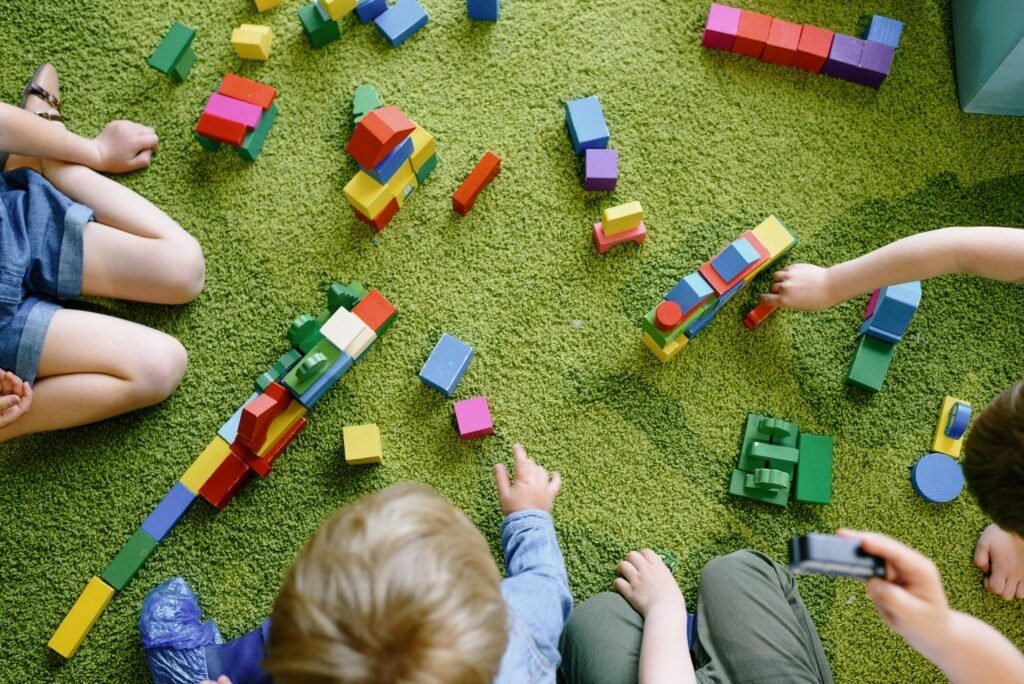
For toddlers, typically between ages 1-3, activities that stimulate sensory play are highly beneficial. Simple tasks such as stacking blocks, playing with shape sorters, and engaging with textured toys help develop fine motor skills and cognitive function. At this stage, children are naturally curious, and activities that involve exploring their environment can significantly enhance their understanding of spatial relationships and cause-effect scenarios.
As children transition into the preschool age (ages 3-5), they are ready for more structured activities that promote critical thinking and problem-solving. Interactive games, like simple puzzles or matching cards, encourage cognitive growth while providing an enjoyable challenge. Creative play, such as drawing or building with construction materials, further supports their imaginative skills and boosts their ability to think abstractly.
Once children reach school age (ages 6-12), activities should be more complex, focusing on critical thinking and collaboration. Activities such as logic games, group projects, and reading comprehension exercises are excellent for enhancing IQ and overall cognitive function. This stage also presents the opportunity to introduce activities that foster social development, such as team sports or collaborative arts and crafts. These activities not only bolster cognitive skills but also cultivate teamwork and communication abilities.
Incorporating age-appropriate activities throughout these developmental stages ensures that children are provided with the right tools for their growth, positioning them towards a brighter future marked by enhanced intelligence and creativity.
Engaging Activities to Enhance Creativity and Imagination
Engaging in creative activities is fundamental for children’s brain development, fostering innovative thinking and imagination. Activity books designed specifically for children can serve as powerful tools to stimulate these critical aspects of cognitive growth. Through art, storytelling, and role play, children not only explore their creative potential but also develop essential skills such as problem-solving, communication, and emotional expression.
Art activities, including drawing, painting, and crafting, offer children the freedom to express themselves visually. These creative tasks encourage them to think outside the box and interpret the world through their unique perspectives. For example, a simple drawing prompt can lead to an expansive exploration of themes, colors, and associations. Furthermore, engaging in such creative practices provides youngsters with an avenue to channel their emotions, thus contributing to their emotional intelligence.
Storytelling is another captivating way to boost creativity and imagination. Encouraging children to create their own narratives allows them to construct worlds, develop characters, and weave together plots that reflect their thoughts and feelings. This process not only ignites their imagination but also enhances their linguistic skills and comprehension abilities. Activity books often contain sections where children can write their own stories or complete scenarios, providing them with a structured yet flexible environment to explore their creativity.
Role-playing activities further complement these creative pursuits by allowing children to step into different characters and scenarios. This form of imaginative play enhances social skills, as it often involves collaboration with peers. Activity books can introduce various role-play situations, stimulating children’s curiosity and leading them to explore diverse viewpoints. The benefits of engaging in creative pursuits through well-designed activity books are manifold, supporting holistic brain development while enhancing children’s innate creativity.
Building Social Skills and Emotional Intelligence through Activities
Activities that promote social skills and emotional intelligence are vital parts of children’s development, especially within the pages of a well-designed activity book. Engaging in group activities fosters teamwork, communication, and collaboration, which are essential skills for navigating social interactions. When children participate in cooperative games, they learn how to work together towards a common goal, enhancing their ability to cooperate and share responsibilities.
For instance, games that require children to rely on each other’s strengths can significantly boost their ability to communicate effectively and establish trust with their peers. These experiences are crucial as they teach children not only to articulate their own thoughts and feelings but also to listen to others, fostering a sense of empathy. This understanding is further nurtured through storytelling elements in children’s books, which can illustrate social scenarios that encourage discussions about emotions and moral dilemmas.
By reading stories that present various situations, children can empathize with characters and understand the importance of considering others’ perspectives. Such narratives often provide opportunities for children to reflect on their own feelings and those of others, effectively strengthening their emotional intelligence. Recognizing emotions in themselves and others is a fundamental aspect of building lasting relationships and developing strong social skills.
Moreover, the integration of activities that encourage kids to express their feelings or problem-solve in social contexts contributes to their emotional literacy. This can manifest in simple tasks like role-playing or sharing experiences, allowing children to practice emotional regulation in a safe environment. Through this combination of narrative engagement and participatory activities, young learners gain valuable insights into both their own emotions and the social world around them.
Incorporating Physical Activity for Holistic Development
Physical activity is a cornerstone of holistic development, particularly in children, where brain development is closely linked to physical engagement. The benefits of incorporating physical activity alongside cognitive tasks are well-documented; not only does exercise promote physical health, but it also enhances cognitive function. Activities that encourage movement help stimulate brain regions that are essential for learning and memory, fostering a more dynamic and efficient learning experience.
Engaging children in physical activities can be done through various enjoyable experiences that promote both movement and mental engagement. Simple activities like obstacle courses, dance sessions, or structured games such as tag can be incredibly effective. These activities not only improve motor skills and coordination but also assist in developing critical thinking and problem-solving abilities, as children navigate through challenges and make quick decisions during play.
Including brain games that require physical interaction can also be beneficial. For instance, scavenger hunts can be designed to integrate puzzles or riddles that must be solved to locate hidden items. This format can enhance cognitive function while encouraging physical movement, creating a fun and stimulating environment for children. Moreover, activities like yoga or martial arts can improve concentration and self-discipline, nurturing both physical fitness and mental resilience.
In addition to structured activities, unstructured playtime in natural settings, such as parks or gardens, allows children to explore their environment physically while sparking curiosity. This kind of exploration can foster creativity and independent thinking. Thus, the integration of physical activity into children’s development routines is essential. By promoting a balance between physical engagement and cognitive challenges, parents and educators can enhance overall learning outcomes and support children’s holistic development effectively.
Choosing the Right Activity Book: A Parent’s Guide
Selecting an appropriate activity book for children is a crucial decision that can significantly influence their cognitive development and overall engagement. With an extensive variety of options available, parents should consider several factors to ensure they choose the best resource for their child’s needs.
Firstly, age appropriateness is paramount. Many activity books are designed specifically for certain age ranges, featuring challenges that cater to the developmental milestones children typically reach at those stages. Parents should carefully review the recommended age group to ensure that the book aligns with their child’s abilities, stimulating their minds without causing undue frustration.
Secondly, diversity of activities plays a key role. A well-rounded activity book should present a wide array of tasks, including puzzles, games, coloring exercises, and educational challenges. This variety keeps children engaged and aids in the development of different skills such as problem-solving, critical thinking, and creativity.
Another important aspect is the educational content embedded within the activities. Parents should look for books that offer a balance between fun and learning, ensuring that each task not only entertains but also fosters intellectual growth. Selecting books that integrate core subjects like math, science, language arts, and art can enhance a child’s overall cognitive development.
Recommendations for popular activity books include options such as “The Big Book of Activities” and “Brain Quest Workbook,” both of which provide engaging content that is age-appropriate and diverse in nature. Additionally, parents may wish to explore themed activity books that align with their child’s interests to further enhance motivation and enjoyment.
In conclusion, by taking into account age appropriateness, diversity of activities, educational content, and personal interests, parents can choose an activity book that effectively supports their child’s IQ and brain development while ensuring an enjoyable and enriching experience.
Creating a Structured Learning Environment at Home
Establishing a structured learning environment at home is crucial for enhancing children’s intellectual engagement and facilitating effective brain development. One of the primary steps involves creating a dedicated space specifically for learning activities. This designated area should be free from distractions and equipped with essential supplies, such as books, writing materials, and educational games. A well-organized space helps children associate that area with focused learning, promoting a sense of routine.
In addition to a physical space, establishing consistent routines is vital in encouraging children to engage with educational materials regularly. Having a set time for activities not only instills discipline but also aids in developing a habit of continuous learning. Parents can align these routines with the natural rhythms of their children’s daily lives, ensuring that learning sessions fit seamlessly into their schedules. Incorporating these structured times can help children anticipate the learning activities, making them more inclined to participate enthusiastically.
Furthermore, integrating the activities from educational books into everyday life is a powerful strategy to reinforce learning. This can be accomplished through various means, such as incorporating themed discussions during family meals or encouraging problem-solving through practical tasks. For example, parents might use mathematical concepts while cooking or explore reading skills during playtime with interactive storybooks. Such daily-life integration aids children in understanding the relevance of what they are learning and promotes a more comprehensive educational experience.
Ultimately, combining a dedicated learning space, established routines, and the incorporation of book activities into everyday life significantly enriches the home learning environment. This structured approach not only enhances children’s IQ but also fosters their cognitive and emotional development, laying a solid foundation for lifelong learning.
Success Stories: Transformations from Activity Book Engagement
The impact of engaging with children’s activity books for IQ and brain development is vividly illustrated through numerous success stories shared by parents and educators. Many have reported remarkable transformations in cognitive skills, critical thinking, and creativity among children who regularly partake in these activities. These anecdotal accounts highlight not only individual successes but also the collective benefits of introducing activity books into children’s daily routines.
For example, a parent from California noted a significant improvement in her son’s problem-solving abilities after he started using an activity book focused on puzzles and logic games. Within weeks, she observed him tackling more complex tasks with increased confidence. This engagement not only boosted his IQ but also his interest in learning, leading to an overall enhancement of his academic performance. Similarly, an educator from New York shared that her kindergarten class showed notable improvements in both reading comprehension and mathematical skills after incorporating themed activity books into their curriculum.
Further testimonials from parents reveal that children who once struggled with attention and focus began exhibiting greater concentration and enthusiasm for learning. One mother recounted how her daughter, who had difficulty engaging with traditional learning methods, found joy in a colorful, interactive activity book centered on science concepts. The combination of play and education captivated her daughter’s imagination, transforming her approach to learning.
In addition to intellectual growth, many parents have expressed appreciation for the emotional resilience children develop through these books. As they tackle challenges and puzzles, children learn perseverance and celebrate their progress, reinforcing a positive learning mindset. Ultimately, these success stories from families and educators alike underscore the remarkable potential of activity books as valuable tools for nurturing children’s cognitive and emotional development. Engaging with these resources fosters both immediate and long-term benefits in IQ and brain development.